

Is Your Supply Chain Ready for Industry 4.0?
From the move from centralization to decentralization, a cobot world, and smart factories, Industry 4.0 is here and it’s happening fast. Are you ready?
- By
- May 10th, 2019
From the move from centralization to decentralization, a cobot world, and smart factories, Industry 4.0 is here and it’s happening fast. Are you ready?
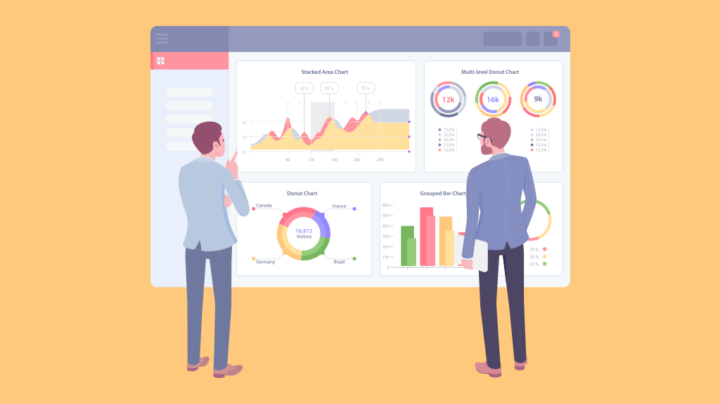
Planners in certain industries such as the consumer-packaged goods (CPG) prefer updating forecasts at an aggregate level but would also sometimes want to lock values at the detail level to prevent disaggregation to a specific combination. How is it done? A planning system is expected to present correct data to the planner at whatever level it is being looked at.
Here’s a quick overview of supply chain best practices from 10 leading companies from the 2018 Drucker Institute Ranking.

Most of us have had some exposure to the “AI Awakening” wave that has emerged over the past few years. Of particular interest to Arkieva and its customers is how this “new technology” integrates with the ongoing journey of creating more intelligent supply chain decision-making process to improve organizational performance.

Mapping makes it easier to identify patterns and understand your data in a way that's not readily available using a table or a graph. Here's how you can use different types of maps to enhance your supply chain visibility.

We are thrilled about presenting a session with Arkieva customer — Lush Handmade Cosmetics. The session that focuses on how Lush delivers a unique brand experience also discusses how effective demand planning solutions help with creating that experience. Last year we created the 2017 Gartner Supply Chain Conference list of Must-Attend Sessions. To continue along that tradition, here is the list of Must-Attend sessions at the Gartner Supply Chain Conference this year.

A demand-driven supply chain management process, no matter the industry, is built based on some fundamental principles. These principles are applied taking into consideration the requirements of the particular industry or company involved.
A Demand-driven Supply Chain (DDSC) is defined as a supply chain management method focused on building supply chains in response to demand signals. The main force of DDSC is that it is driven by customer demand. In comparison with the traditional supply chain, DDSC uses the pull (Demand pull) technique. It gives the market opportunities to share more information and to collaborate with others in the supply chain.

I work with clients that utilize our supply chain optimization software to maximize their resources. In my upcoming webinar “Should I Optimize My Supply Chain Planning?” I’ll dive deeper into the concepts of supply chain optimization and show examples of when it’s ideal to optimize and when it’s less ideal. In today’s blog post, I’d like to simplify this concept by looking at some basic equations and scenarios to explain how “solvers” or supply chain optimization algorithms work.

A digital supply chain is a supply chain network (DSN) that focuses on using digital systems or technology tools to reduce the need for disparate systems through connectivity; eliminating manual processes and leveraging the data that is available through these systems to enhance the entire supply chain network.

In a recent study, Gartner estimates that 50% of Supply Chain Planning Solutions are not fully utilized1. How can organizations ensure that they have the user adoption needed to attain the full benefits from their existing or new supply chain solution?

A manager once told me that if you add up all the supply chain cost savings projected by various supply chain improvement initiatives over the years, you would have enough money to buy the company five times over. No wonder management is skeptical of benefits offered by improved supply chain planning.






Please tell us a little bit about yourself to help us better assist you.