Supply Chain - Arkieva - Page 12

Category: Supply Chain

How Forecastable is Your Data?

Having access to an accurate forecast is very beneficial for businesses. If used correctly, it can provide better margins, increase market shares, and many other positive results. At a more tactical level, it can help reduce the costs associated with meeting the customer demand and make the supply chain more efficient.

Sustainability in Supply Chain Planning: In Practice

Integrated Supply Chain Planning is the best way to be sure that you are running your business in a way that is best for your whole business. When you address your energy needs independent of your supply chain planning you can drive up costs unnecessarily and create rework. Industrial gas companies know this better than most because their production process is an extremely energy-intensive one. Keeping energy use to its minimum is a pinnacle of smart sustainable business practices.

Effect of Lockdowns on Essential Goods Value Chain

These interesting times that we are currently living through have thrown open a lot of challenges. Organizations and decision-makers must be agile and innovative to overcome the challenges that COVID-19 has thrown at us. In India, we had 2 lockdown periods in the last 15 months. Being a supply chain student, I try to watch and analyze day-to-day situations with a lot of interest and I see one area that needs improvement when lockdowns are implemented.

How to Use What-if Scenarios to Create a Dynamic IBP Paradigm

Taking the time to perform what-if analyses on a regular basis with real and speculative events, gives planners tremendous insight into what parts of the supply chain are most sensitive to changes. As a result, planners will have a sense of what is a big deal and what is not. And when a crisis happens, they’ll feel confident in their ability to respond.

Target Inventory and Central Planning Engines (Models) – Avoiding the Runaway Train

Often inventory is considered the simplest component of supply chain management that can successfully be managed separately. The purpose of this blog is to provide some observations to avoid the runaway train. We will first review the basics of CPE and then address the use of target inventory (specifically ending finished goods inventory EFGI) in CPEs.

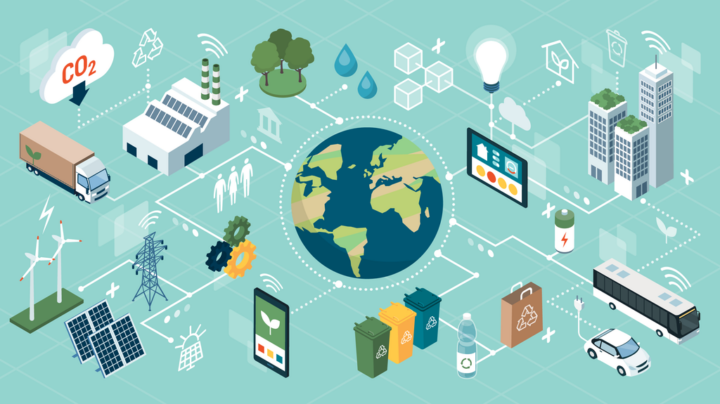
Sustainability & Circularity in Your Supply Chain Planning

Learn how climate action relates to supply chain management. Achieving full-scale sustainability and circularity cannot happen without end-to-end alignment, hierarchical connectivity, integration of all parts of your supply chain, performance metrics, and business processes. And this alignment needs to be part of your existing supply chain before you can take it to the next level.

Contact us

Please tell us a little bit about yourself to help us better assist you.

Pin It on Pinterest