

Managing Supply Chain Transformation Beyond IT
Senior leadership engagement, business process analysis, and proper communication ensure a successful supply chain transformation.
Senior leadership engagement, business process analysis, and proper communication ensure a successful supply chain transformation.

In previous “tools of the trade” blogs, the focus has been on conveying a basic understanding of core technologies critical to improving supply chain management decision making. Other blogs have focused on investing in technology. As with any investment there are risks to success. This blog focuses on the need for a small group driving technology that upsets the social order called agents of change (AOC).

With the new year comes pundit “prediction season”. It seems that anyone who can type will post their list of things to look out for. It’s human nature to look ahead and anticipate what may be. We all look back to look forward – just like a good demand forecast does. And if you think about it, most calendar-year business plans are in truth, predictions about the year to come.

If one is going to forecast demand into the future, it would make sense to get as true a picture as possible. For that, starting with historical demand would be the obvious choice. Choosing this data as the basis for forecasting would ensure the best possible projection out in the future.

Subscribe and save makes planning easier. Consistent demand means less fluctuation in order volume, which makes forecasting, inventory management and scheduling more predictable.

Arkieva prides itself on providing some of the best in supply chain thought leadership. Over 300,000 individuals read our blog articles in 2021. The volatile nature of the supply chain today drove our readers to educate themselves on practical actions they can take to remain competitive.

We are excited to announce that we are rebranding Arkieva to fuel growth, strengthen our position in the market, and continue to be a recognized leader in the supply chain industry. Over the past few years, we have been relentlessly focused on solving the most complex planning challenges through simple, intuitive, end-to-end solutions leveraging our best-in-class data scientists, software developers, and supply chain optimization consultants.
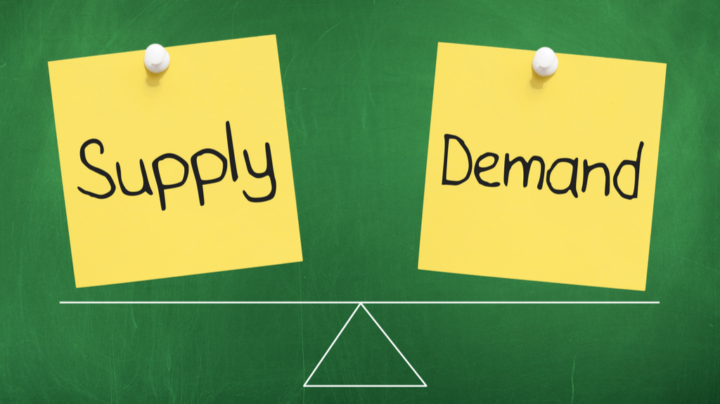
Over the past 5 weeks, Jeff Ondria has hosted a set of short interviews on LinkedIn about the five distinct steps to develop an effective S&OP process. In today's blog, we discuss step 4 Balancing Supply & Demand where we will answer some key questions with respect to balancing supply and demand.

Arm your supply chain planners with the right software tools so they can turn your data into better business decisions.

Taking the time to perform what-if analyses on a regular basis with real and speculative events, gives planners tremendous insight into what parts of the supply chain are most sensitive to changes. As a result, planners will have a sense of what is a big deal and what is not. And when a crisis happens, they’ll feel confident in their ability to respond.

For your business to effectively carry out the supply chain planning process, you will need to link up your short-term and medium-term, to the executive level S&OP plan so that it drives your tactical planning and operational planning.

Making the business case for Sales and Operations planning is not always easy given that you will need to bring on board key decision-makers in your organization. Let us explore how one can go about making the business case for a proposed S&OP project.






Please tell us a little bit about yourself to help us better assist you.